If your energy bill spikes every summer and certain rooms never feel quite right no matter how hard your HVAC runs - your windows are likely the problem. In Texas especially, where cooling loads push systems hard from April through October, a single-pane or poorly sealed window isn't just uncomfortable. It's expensive.
Energy-efficient windows fix this at the source. Not by working harder - but by stopping the heat transfer before it starts. This guide explains exactly how they work, what specs actually matter, which window types perform best for U.S. homes in 2026, and what separates a window that delivers on its promise from one that just has the right label.
What Are Energy-Efficient Windows?
Energy-efficient windows are purpose-built to minimize heat transfer between inside and outside your home. They do this through a combination of glass technology, gas fills, frame materials, and sealing systems - all working together to keep conditioned air in and outdoor temperature out.
The result: lower utility bills, more consistent indoor temperatures, less HVAC strain, and a home that stays comfortable without constant mechanical intervention.
They're not a luxury upgrade for high-end builds. In hot-climate states like Texas, Florida, and Arizona - they're the baseline for any renovation that takes energy costs seriously.
How Energy-Efficient Windows Actually Work
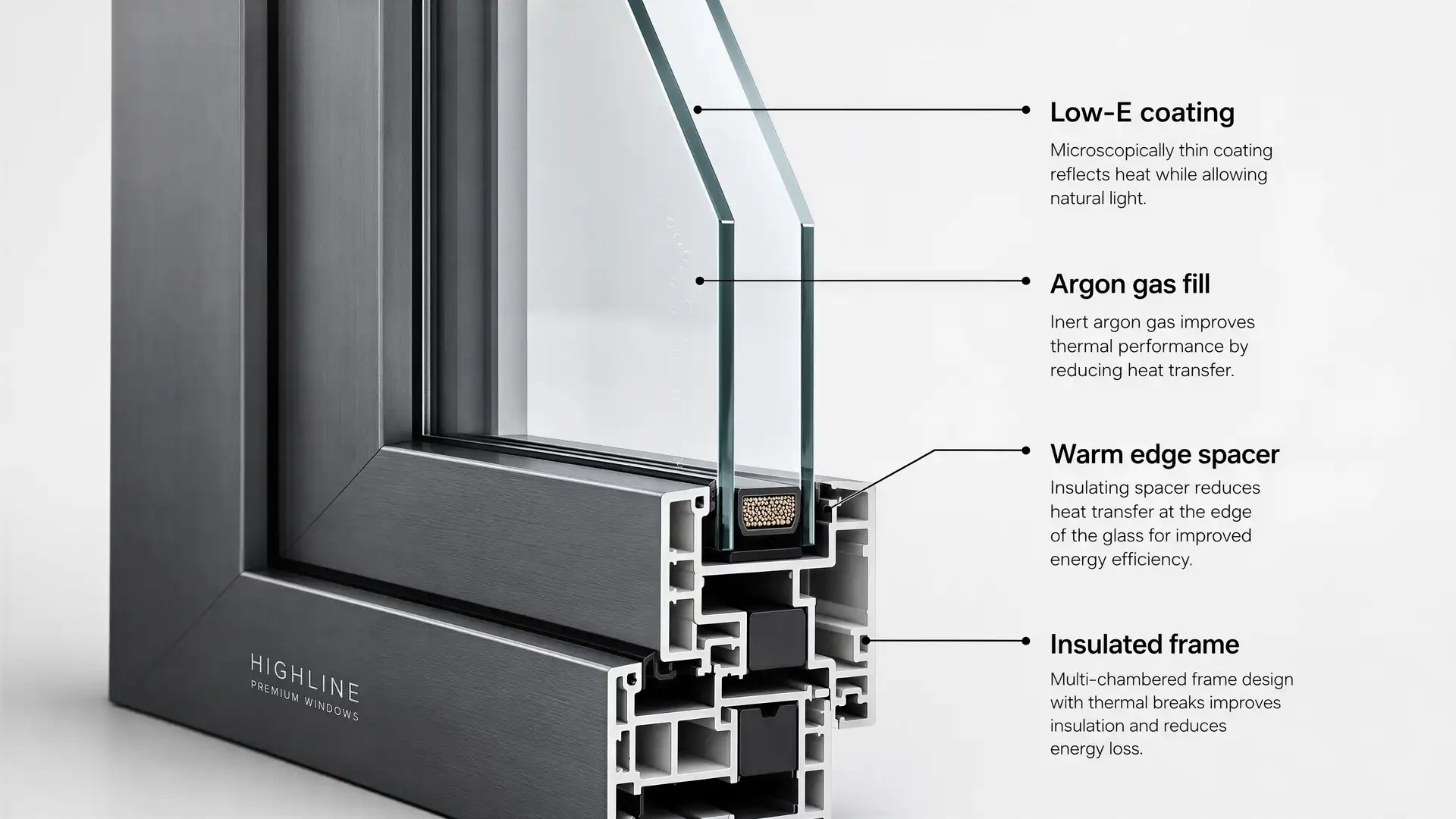
Every performance claim on an energy-efficient window comes back to one of these five technologies:
Low-E Glass Coating
A microscopic metallic layer applied to the glass surface. In summer it reflects solar heat away from the interior. In winter it reflects indoor heat back inside. The coating is invisible — it doesn't affect clarity or natural light — but it's the single biggest driver of thermal performance in modern windows.
Double or Triple Pane Glass
Two or three layers of glass with air space between them. Each additional pane adds an insulating barrier that slows heat movement significantly. Double-pane is the current residential standard. Triple-pane makes sense for extreme climates or noise-sensitive applications.
Argon or Krypton Gas Fill
The space between panes is filled with an inert gas — argon is standard, krypton is used in narrower spaces where argon won't perform as well. Both conduct heat less effectively than regular air, improving the window's overall insulation without affecting visibility.
Warm Edge Spacers
Traditional aluminum spacers at the glass edges create a thermal bridge — conducting heat around the perimeter even when the glass itself is well-insulated. Warm edge spacers break that bridge, improving edge performance and reducing condensation at the glass border.
Insulated Frame Material
The frame is where cheap windows lose most of their performance. Vinyl, fiberglass, and composite frames all insulate well. Aluminum — still common in older U.S. homes — conducts heat rapidly and undermines everything the glass system is trying to do.
The Performance Ratings That Actually Matter
Before buying any energy-efficient window, check these four numbers — not just the ENERGY STAR label:
| Rating | What It Measures | What to Look For |
| U-Factor | Rate of heat loss through the window | Lower is better — aim for 0.30 or below |
| SHGC | Solar heat gain through the glass | Lower for hot climates (Texas: aim for 0.25 or below) |
| Air Leakage | Air infiltration through the frame and seal | Lower is better — 0.30 or below |
| VT (Visible Transmittance) | How much natural light passes through | Higher = more daylight (0.40–0.70 is the residential sweet spot) |
In Texas specifically, SHGC matters more than U-Factor — the primary enemy is solar heat gain in summer, not heat loss in winter. A window optimized for a cold northern climate will underperform in a south or west-facing Texas installation.
The Best Energy-Efficient Window Types for U.S. Homes
Picture Windows — Best Overall Energy Performance
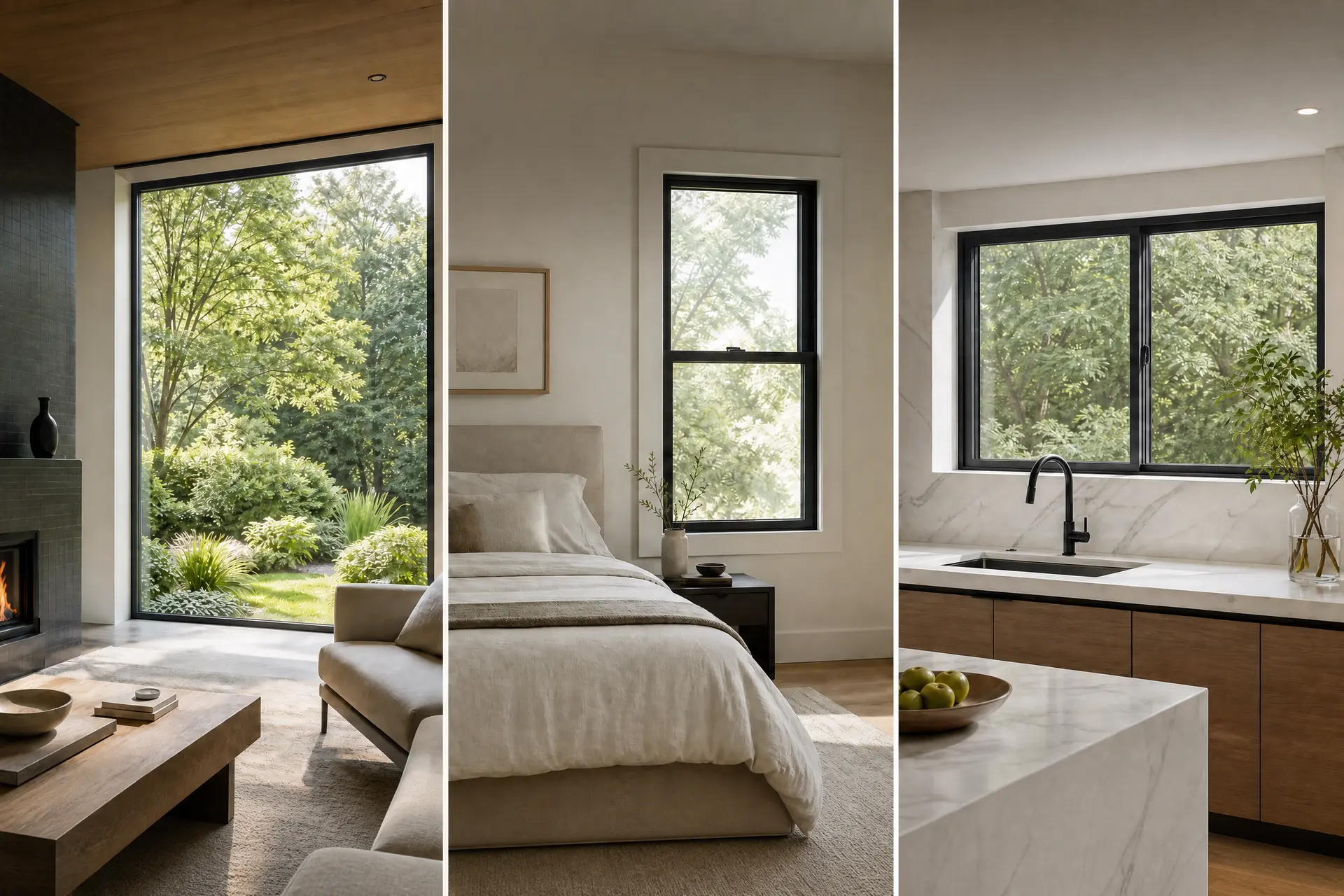
No moving parts means no gaps, no worn weatherstripping, and no air leakage pathways. Picture windows are the most thermally efficient window type available — period. The fixed sash creates a completely sealed unit that outperforms every operable window style on both U-Factor and air leakage ratings.
Best for: Living rooms, entryways, stairwells, any space where ventilation isn't the priority but light and efficiency are.
🔗 [Shop Picture Windows at Highline Building Supplies]
Single Hung Windows — Best Value for Whole-Home Upgrades
The lower sash opens; the upper stays fixed. Fewer moving parts than double hung means fewer sealing points that can fail over time. For full-home renovations or multi-room upgrades where budget needs to stretch without sacrificing performance, single hung windows are the professional's default spec.
Best for: Bedrooms, living rooms, rental properties, production builds, any project where consistent performance across multiple openings is the goal.
🔗 [Shop Single Hung Windows at Highline Building Supplies]
Sliding Windows — Best for Wide Openings and Ventilation
Opens horizontally along a track — ideal for wide wall openings where a vertically operated window doesn't suit the proportions. Modern sliding windows with compression weatherstripping and insulated frames perform well on energy efficiency while delivering maximum ventilation when open.
Best for: Kitchens, contemporary homes, wide horizontal openings, rooms where cross-ventilation matters.
🔗 [Shop Sliding Windows at Highline Building Supplies]
Why This Matters More in Texas Than Almost Anywhere Else
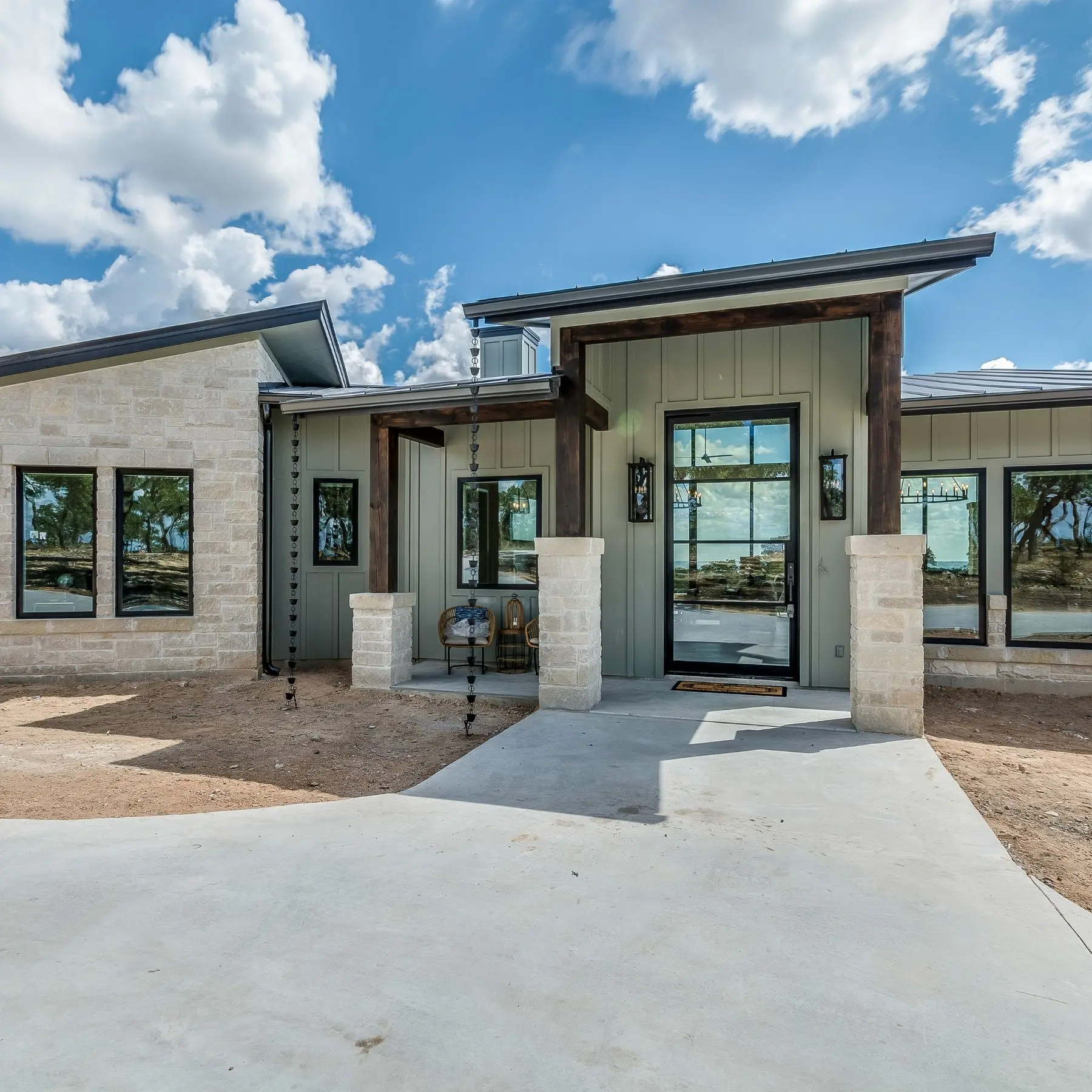
Texas cooling seasons run 6–8 months. South and west-facing windows in a standard Texas home absorb direct solar radiation during the hottest part of the day — and without Low-E coating and a low SHGC rating, that heat transfers directly into the conditioned space your HVAC is fighting to cool.
The practical impact: upgrading single-pane or uncoated windows to modern double-pane Low-E units in a Texas home can reduce cooling load meaningfully — which shows up directly on monthly energy bills.
For new builds, ENERGY STAR certification for the South/Central climate zone is the minimum specification. For replacements, prioritize SHGC first, then U-Factor, then frame material.
What Good Installation Actually Delivers
A quality window installed incorrectly performs like a cheap window. The frame-to-wall junction is where most installation failures occur — gaps in the insulation fill, improper flashing, or sealant applied over dirty surfaces all compromise the thermal boundary the window was designed to create.
Professional installation ensures:
- Airtight seal at all frame perimeter joints
- Correct flashing and moisture management
- Low-expansion foam in the wall cavity (not standard foam — it bows frames)
- Proper sill and head drainage
For energy-efficient windows specifically, installation quality is as important as product selection. Both matter.
Are Energy-Efficient Windows Worth the Investment in 2026?
Yes — with one condition: buy the right product for your climate and install it correctly.
The math works in most U.S. markets. Energy-efficient windows cost more upfront than standard alternatives — but the gap closes quickly through reduced utility bills, lower HVAC maintenance costs, and extended system lifespan from reduced runtime. In Texas, where cooling costs are among the highest in the country, the payback period is shorter than the national average.
Beyond the utility math: comfort, noise reduction, UV protection for interior finishes, and resale value all improve with quality window upgrades. Buyers and appraisers notice — energy-efficient windows are one of the few exterior upgrades that show up in both appraisals and buyer preference surveys consistently.
Common Mistakes That Undermine Window Performance
Buying for appearance only. Glass type and frame material drive performance — not the exterior profile. A good-looking window with poor SHGC specs will overheat south-facing rooms regardless of how it looks.
Ignoring climate zone ratings. ENERGY STAR has four U.S. climate zones. A window certified for the Northern zone is not optimized for Texas — check the South/Central certification specifically.
Choosing aluminum frames on a budget. Aluminum frames are inexpensive but thermally poor. In hot climates they can actually accelerate heat transfer at the frame perimeter. Vinyl is the minimum for energy performance in Texas.
Underestimating installation. The best window on the market underperforms a mid-range window installed correctly. Budget for professional installation — it's not where to cut corners on an energy-efficiency upgrade.
FAQs
Q: What are energy-efficient windows?
Windows designed to minimize heat transfer using Low-E glass coatings, double or triple pane glazing, inert gas fills, warm edge spacers, and insulated frames — reducing energy costs and improving indoor comfort year-round.
Q: Do energy-efficient windows really lower energy bills?
Yes — particularly in high-cooling-load climates like Texas and Florida. The reduction in solar heat gain and air leakage directly reduces HVAC runtime, which shows up on monthly utility costs.
Q: What is the most energy-efficient window style?
Picture windows — fixed units with no operable parts deliver the lowest air leakage and best thermal performance of any window type. For rooms requiring ventilation, single hung windows offer the best performance-to-value ratio.
Q: What SHGC rating do I need for a Texas home?
For south and west-facing windows in Texas, target an SHGC of 0.25 or below. This limits solar heat gain during peak cooling months without significantly reducing natural light.
Q: Are energy-efficient windows worth it in 2026?
Yes — for most U.S. homeowners the long-term savings in energy costs, reduced HVAC maintenance, improved comfort, and increased property value outweigh the higher upfront cost, particularly in high-cooling-load markets.
Ready to Upgrade Your Windows?
The right energy-efficient windows make a measurable difference — in comfort, in energy costs, and in how your home performs through a Texas summer. The key is matching the right glass spec and frame material to your climate and orientation, then installing it correctly.
Highline Building Supplies carries a full range of energy-efficient window options — picture, single hung, and sliding configurations — for homeowners, contractors, and builders across Texas and the USA.
Credits: energystar.gov / energy.gov / energy efficient windows.org